
The Aravalli Hills are one of the oldest mountain ranges in the world and play a very important role in India’s geography, climate, and environment. Stretching across several states, these hills are not only rich in history but also crucial for ecological balance. From the green patches near Delhi to the rugged landscapes of Rajasthan, the Aravalli range continues to shape life around it.
This article explains everything about the Aravalli Hills in a simple, step-by-step format.
What Are the Aravalli Hills?
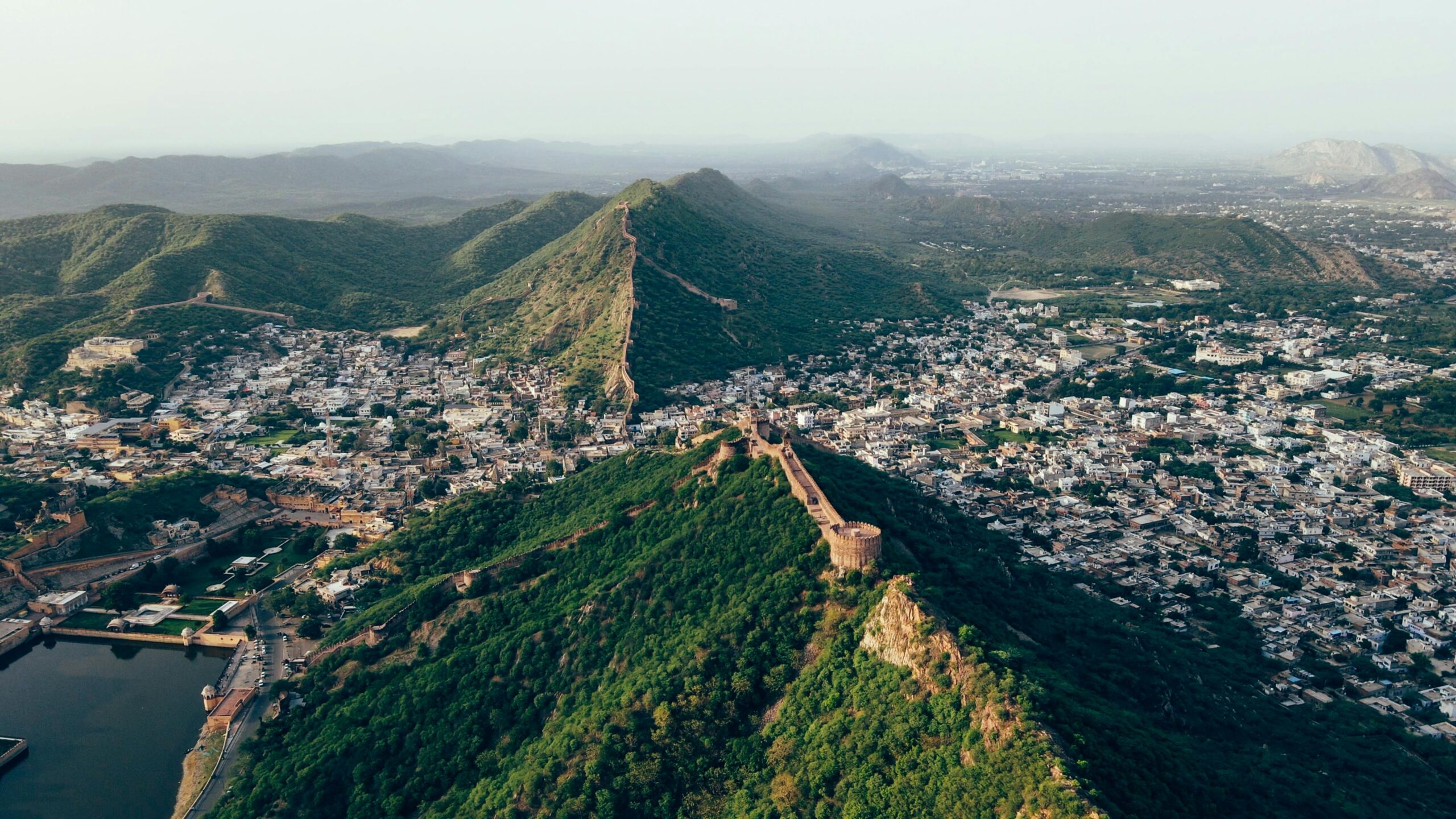
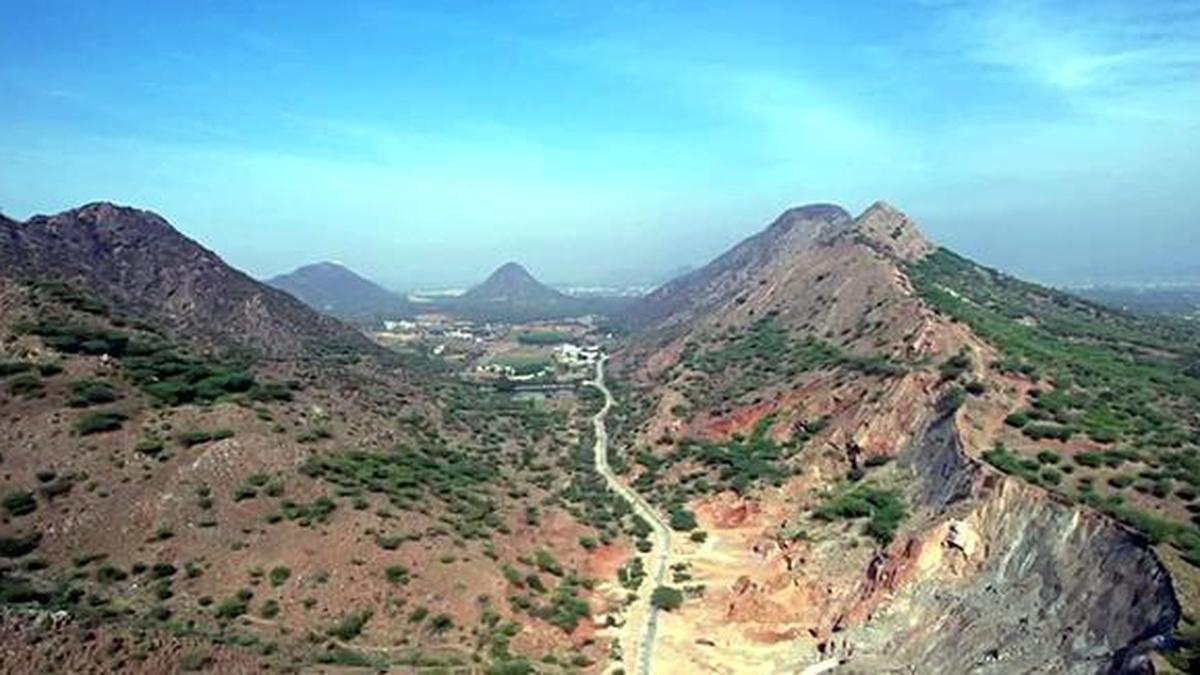
The Aravalli Hills are an ancient mountain range located in western India. They are believed to be over 1.5 billion years old, making them older than the Himalayas. Unlike high snow-covered mountains, these hills are low in height and have a rocky structure.
Over thousands of years, natural erosion has reduced their height, but their importance has remained unchanged.
Location and States Covered
The Aravalli range stretches diagonally across north-western India, covering multiple states.
Major regions include:
Gujarat
Rajasthan
Haryana
Delhi
The hills start near Palanpur in Gujarat and end near Delhi, covering a distance of around 800 kilometers.
Aravalli Hills in Rajasthan
The Aravalli Hills in Rajasthan form the largest and most prominent part of the range. Rajasthan is home to some of the highest peaks of the Aravalli system.
Key features:
Guru Shikhar, the highest peak, is located near Mount Abu
Rich mineral resources like marble and granite
Forests that support wildlife such as leopards, deer, and birds
In Rajasthan, the Aravalli range naturally separates the state into distinct geographical regions with different climates and land features:
The Thar Desert on the west
Fertile plains on the east
This natural division helps control desert expansion and supports agriculture in eastern Rajasthan.
Aravalli Hills in Delhi
The Aravalli Hills in Delhi are often called the “green lungs” of the city. Though smaller in size, their environmental value is extremely high.
Important areas include:
Asola Bhatti Wildlife Sanctuary
Ridge areas of North, Central, and South Delhi
These hills help:
Reduce air pollution
Control rising temperatures
Recharge groundwater
Despite heavy urbanization, the remaining Aravalli patches in Delhi continue to support biodiversity and protect the city from extreme climate conditions.
Climate and Environmental Importance
The Aravalli Hills play a major role in shaping the climate of north-western India.
Environmental benefits:
Block the spread of the Thar Desert
Influence monsoon wind patterns
Prevent soil erosion
Support forests and wildlife
Without these hills, large parts of Rajasthan, Haryana, and Delhi would face severe desertification and water shortages.
Flora and Fauna of the Aravalli Range
The Aravalli ecosystem supports a wide variety of plant and animal life.
Common vegetation:
Neem
Dhau
Babool
Peepa
Wildlife found in the region:
Leopards
Hyenas
Jackals
Nilgai
Migratory birds
Protected areas in Rajasthan and Delhi help preserve this natural diversity, though threats remain.
Provided natural defense to kingdoms like Mewar
Source of building stone for forts and temples
Mentioned in ancient Indian texts
Famous forts such as Kumbhalgarh and Chittorgarh were built using stones from the Aravalli region.
Historical importance:
The Aravalli Hills stand as a testament to the rise and fall of ancient civilizations that once flourished across western and northern India.
Historical and Cultural Significance
Threats to the Aravalli Hills
Despite their importance, the Aravalli Hills face serious challenges today.
Major threats include:
Illegal mining
Deforestation
Urban expansion
Pollution
Both the Aravalli Hills in Delhi and those in Rajasthan are under pressure due to construction and industrial activities. Loss of forest cover has led to water scarcity and rising temperatures in nearby areas.
Conservation Efforts and Legal Protection
The Indian government and environmental groups are working to protect the Aravalli range.
Conservation steps:
Mining bans in sensitive zones
Wildlife sanctuaries and protected forests
Supreme Court interventions
Public awareness campaigns
However, strict implementation and community participation are still needed to ensure long-term protection.
Why the Aravalli Hills Matter Today
In today’s world of climate change and urban growth, the importance of the Aravalli Hills has increased even more.
They act as:
Natural climate regulators
Water recharge systems
Biodiversity hotspots
Barriers against desert spread
Protecting these hills is not just an environmental issue but also a necessity for sustainable development.
Advantages of the Aravalli Hills
The Aravalli Hills play a very important role in India’s environment, climate, and human life. Even though they are not very high, their benefits are long-lasting and wide-ranging.
The Aravalli Hills help prevent desert expansion, support biodiversity, and improve climate balance in north-western India. They also aid groundwater recharge and act as green lungs, especially in regions like Delhi and Rajasthan.
Conclusion
The Aravalli Hills are a natural treasure of India with deep historical, ecological, and cultural value. From the vast landscapes of the Aravalli Hills in Rajasthan to the green corridors of the Aravalli Hills in Delhi, this ancient range continues to protect life and land.
Preserving the Aravalli Hills is a shared responsibility. With proper conservation, these hills can continue to support future generations while maintaining balance in nature.
Disclaimer
Information presented here is for learning and reference purposes and may not always reflect the latest updates or official data. Content related to the Aravalli Hills, including regions in Delhi and Rajasthan, is based on general research and public sources. We do not guarantee accuracy or completeness, and readers should verify details from official sources.